

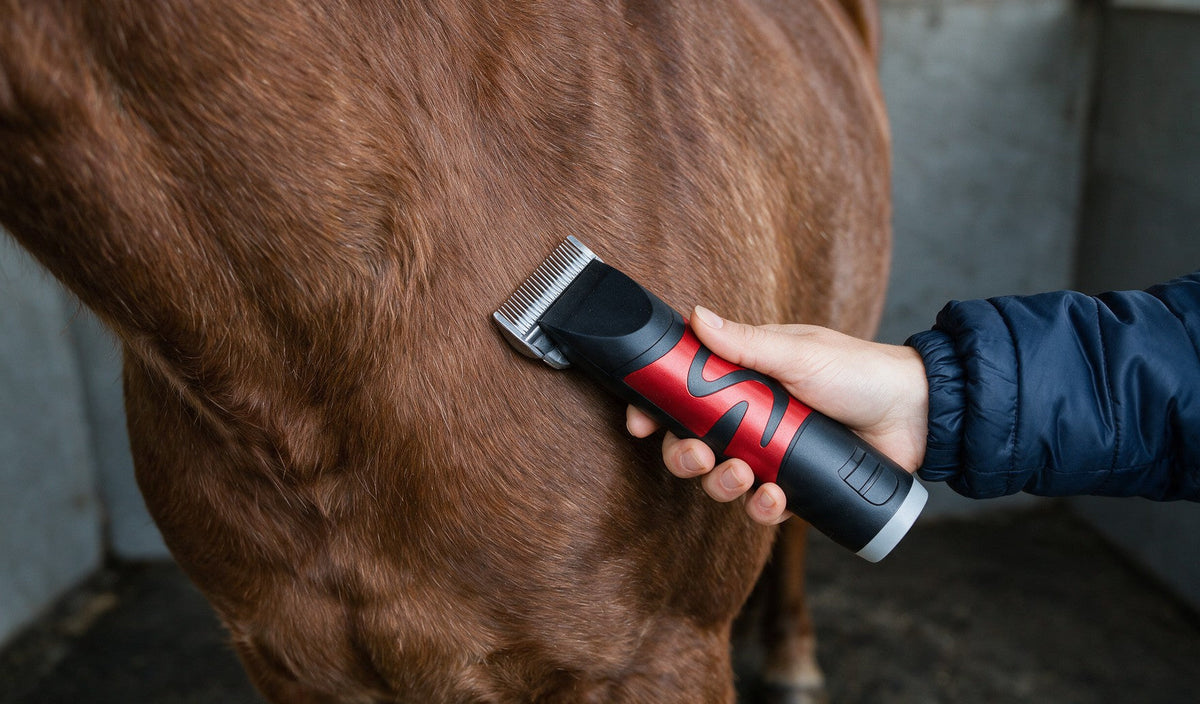
Summer clipping can help horses carrying a heavy or retained coat, make drying after work easier and create a tidy competition finish. Whether your horse needs clipping depends on its coat, health, workload and management, rather than the calendar alone.
Across Australia, many horses shed their winter coats during spring, although the timing and extent vary. Some need only regular grooming, while others benefit from a partial or full clip. Choosing the right approach starts with understanding why you are clipping and how you will care for your horse afterwards.
Look at where your horse sweats, how quickly the coat dries and whether shedding is progressing normally. Consider the shade, shelter and fly protection available during turnout. Clipping can improve comfort, but it does not treat an underlying health condition or remove the risks of working in hot weather.
Summer clipping in different Australian climates
Your horse's seasonal coat responds primarily to changing daylight. Shortening days encourage winter coat growth, while lengthening days help prompt spring shedding. The timing varies between individual horses, and local conditions affect how comfortably they manage the transition.
In Victoria, Tasmania, the ACT and cooler parts of New South Wales, South Australia and Western Australia, spring weather can remain changeable. A horse may benefit from clipping for work or a retained coat while still needing protection during cold nights, rain or windy weather.
In Queensland, the Northern Territory and northern parts of Western Australia, warm conditions can make a heavy or retained coat difficult to manage. Humidity can also reduce the effectiveness of evaporative cooling. Clipping may help with coat management, but shade, airflow, drinking water and an appropriate exercise schedule remain essential.
Across inland areas, hot days may be followed by cool nights. Coastal, elevated and tropical locations can have very different conditions within the same state, so assess your own paddock and forecast rather than following a statewide clipping date.
If loose hair is coming away and your horse remains comfortable, regular grooming may be sufficient. If a dense coat is affecting comfort, drying or cooling, consider a suitable clip and plan the aftercare around local conditions.
When retained hair needs veterinary attention
An unusually long, curly or dense coat, particularly one that does not shed normally, deserves veterinary attention. This is especially relevant in older horses. Other changes worth discussing with your veterinarian include excessive sweating, reduced sweating during exertion, loss of condition, recurrent infections or a history of laminitis.
When a summer clip can help

Clipping may be useful when a retained or dense coat adds to your horse's heat load, stays wet for a long time after work or makes cooling and skin care difficult. A partial clip may be sufficient where sweat gathers mainly under the neck, around the chest or along the underside of the body.
Competition horses may also be clipped to maintain an even, tidy finish. The area and length of coat removed should still suit the horse's workload and living arrangements.
If your horse is shedding normally, works lightly and dries comfortably, a body clip may offer little benefit. Keeping the natural coat also retains a physical layer of protection against sunlight, insects and minor abrasions.
Consider your horse's health, skin pigmentation and tolerance of the machine. Horses with exposed pink skin need particular attention to sun protection. Introduce clippers gradually and allow time for a nervous horse to become comfortable with their sound and vibration. If sedation is needed, discuss it with your veterinarian.
Horses with PPID, commonly called Cushing's disease
Pituitary pars intermedia dysfunction, or PPID, is commonly known as equine Cushing's disease. Delayed or incomplete shedding and an unusually long coat are recognised signs, particularly in older horses. Coat changes alone do not confirm PPID; your veterinarian can assess the whole horse and advise whether testing is appropriate.
Horses with PPID may benefit from clipping when retained hair interferes with drying or contributes to discomfort in warm weather. Some require repeat clipping as the coat regrows. The frequency and extent should reflect the individual horse's needs.
Clipping is supportive care. It does not treat PPID, prevent laminitis or replace prescribed treatment and monitoring. Veterinary management remains essential, even when the horse looks more comfortable after a clip.
Non-sweating horses need a separate assessment
Anhidrosis refers to reduced or absent sweating. Because evaporation of sweat is an important cooling mechanism, affected horses can struggle during exercise or in hot conditions.
Clipping a thick coat may make it easier for cooling water to reach the skin, but it cannot restore normal sweating. A horse that sweats less than expected during exertion, breathes rapidly or recovers poorly needs veterinary assessment. Exercise, shade, ventilation and cooling arrangements may all need to change.
Do not assume that a horse with a retained coat also has anhidrosis. These are different problems, although both can affect comfort in warm weather.
Clipping and hot-weather work
Removing a dense coat can reduce insulation, help the horse dry after work and make washing and active cooling more practical. A clipped horse can still overheat.
Air temperature, humidity, direct sunlight, airflow, fitness, workload and acclimatisation all influence heat load. There is no single air temperature that suits every horse or every activity.
Plan exercise for cooler parts of the day, provide drinking water and shade, and watch your horse's breathing, coordination, willingness to work and recovery. Sweating alone is not a reliable guide to whether a horse is coping.
If your horse shows signs of heat stress, stop exercise and begin cooling immediately with plentiful cold water over the body. Move to a shaded, well-ventilated area if it is safe to do so, and remove tack when safe. Seek urgent veterinary help if signs are severe, the horse is unsteady or recovery is poor. Do not delay cooling while waiting for advice.
Choosing a clip style
Bib clip
A bib clip removes hair from the underside of the neck and, depending on the pattern, the front of the chest. It can suit a horse in light work that sweats mainly in this area, while retaining most of the natural coat.
Low trace clip
A low trace clip removes hair from the lower neck, chest and underside of the body, with the line adjusted to the horse's sweat pattern. It retains coat across the back, quarters and much of the sides. Turnout conditions and weather still need to be considered afterwards.
Body or full clip
A more extensive clip may be appropriate for a horse with a heavily retained coat or one in substantial work. Discuss the extent with your veterinarian if health concerns are involved, and plan sun, fly and weather protection before starting.
Show-season tidy-up
Some horses need only a light tidy-up of ordinary long hair under the jaw, around the mane or on the legs. Take care to preserve sensory hairs, and check breed and competition rules before trimming.
Equestrian Australia prohibits clipping, shaving or otherwise modifying sensory hairs, including whiskers around the muzzle and eyes, except under the applicable veterinary exemptions. Its welfare rules also restrict removing or shortening hair within the rims of the ears. Check the current rules for your discipline and event before preparing your horse.
Choosing a blade length for a summer clip
Clipper blades determine how much hair remains, but blade length is only one part of the decision. Coat density, skin pigmentation, the purpose of the clip and turnout management also matter.
Check the stated cutting length and compatibility of the exact blade you intend to use. Blade numbers and cutting lengths are not necessarily interchangeable between brands or blade systems.
Where a close finish is unnecessary, leaving more hair may be a sensible choice. However, no particular clipping length guarantees protection against sunburn or biting insects. Assess the resulting coverage and arrange suitable protection, especially over areas of pink skin.
Test a small, unobtrusive patch before committing to a body clip. Check the finish, skin exposure and how comfortably the machine works through the coat. Ascot can help match replacement blades to your machine and the job you have in mind.
Start with a clean, dry coat
Dust, dried sweat and grease make clipping harder. They increase friction, contribute to blade wear and can leave an uneven finish.
If bathing is suitable, wash thoroughly, rinse out the shampoo and allow the horse to dry completely in a clean area. Follow the machine's instructions about coat preparation and keep electrical equipment and connections away from water.
Groom again just before clipping to remove loose hair and remaining dust. If bathing is impractical, thorough grooming still helps. Avoid forcing the machine through a dirty, greasy or matted coat.
Oil regularly and check blade temperature
Moving blades slide against one another at speed. Suitable clipper oil reduces friction and helps them work smoothly.
Follow the manufacturer's instructions for lubrication and cleaning. Liveryman recommends light oiling every five to ten minutes during use, with accumulated hair cleared from the blades. Other machines may have different requirements.
Check blade temperature frequently, taking care around the cutting edges. Dense hair, dirt, worn blades or incorrect tension on machines that require tensioning can increase heat. Stop before blades become uncomfortable against the horse's skin, and change to a cool blade or allow them to cool.
Cooling and cleaning sprays vary in their functions. Follow the product label and do not assume that a spray replaces the oil required by your clipper. Disconnect or switch off the machine as directed before blade changes and maintenance.
Body clippers and trimmers: choosing the right equipment
Body clippers are designed for larger areas and sustained clipping. Both mains and cordless options are available; the right choice depends on coat density, job size, frequency of use and your horse's tolerance.
Mains-powered clippers provide continuous power where a safe electrical supply is available. Keep the lead and connections safely positioned away from the horse's legs and wet areas.
Cordless clippers offer freedom of movement without a trailing mains lead. Check runtime, charging requirements, weight and any additional battery options before choosing a machine.
The Liveryman Harmony Plus is a versatile cordless clipper that accepts compatible wide clipping and narrow trimming blades. Ascot's listing also offers an optional external battery pack separately. Confirm the blades and accessories supplied with the package before purchasing.
Smaller trimmers, such as the Liveryman Classic and Robin, are useful for detailed grooming and finishing. Their suitability depends on the area, hair type and manufacturer's guidance. Most small trimmers are not the best choice for sustained clipping through an entire dense coat.
You do not necessarily need the most expensive machine. Choose equipment that comfortably handles the work, and check replacement-blade availability and maintenance requirements as well as the purchase price.
After clipping: shade, fly protection and skin care
As you clip, check for rubs, lumps, irritation or other changes previously hidden by the coat. Stop and seek advice if you uncover a concerning skin problem.
Provide reliable shade and observe your horse during turnout. A clipped horse does not automatically need a rug; the decision depends on the weather, skin exposure, insects, shelter and the amount of coat removed. Cool nights and sudden weather changes may still require additional protection.
A suitably fitted fly or mesh rug can help reduce insect exposure. UV protection varies between fabrics and products, so check the manufacturer's stated protection rather than assuming all mesh rugs provide the same coverage. Monitor comfort, heat build-up and rubbing, particularly after a fresh clip.
A correctly fitted paddock fly mask can protect the covered areas of the face from insects. Check that it clears the eyes and does not rub. If sun protection is needed, choose a product with suitable stated UV protection and coverage.
Apply horse-appropriate sunscreen to exposed pink skin according to the label, and reapply as directed. Keep sunscreen away from the eyes and seek veterinary advice for sore, damaged or persistently irritated skin.
Rugs and masks are additions to good management. Reliable shade, drinking water and regular checks remain essential.
How winter clipping differs
Winter clipping is usually intended to manage sweating and drying during work as the heavier coat develops. Removing that insulation can increase the need for shelter and rugs, so plan those arrangements before clipping. The appropriate timing and clip depend on the horse's workload, coat, health and living conditions; there is no universal Australian month when every horse should be clipped.
Quick answers
What temperature is too hot for horses?
There is no single air temperature that is too hot for every horse. Humidity, sunlight, airflow, workload, fitness, acclimatisation, hydration and the ability to sweat all affect risk. Reduce or stop exercise when conditions or your horse's response give you concern.
How often do horses need to be clipped?
Some horses never need clipping. Others need repeat clips when hair regrows and the original reason remains. Assess comfort, coat and workload rather than following a fixed timetable.
Should you clip a horse that is still shedding?
Not automatically. If loose hair is coming away and your horse remains comfortable, grooming and time may be sufficient. If retained hair is affecting comfort or drying, a suitable clip may help. Discuss unusual or incomplete shedding with your veterinarian.
Can clipping cure Cushing's disease or anhidrosis?
No. Clipping may help manage a retained or dense coat, but it does not treat PPID or restore normal sweating. Both conditions require veterinary assessment and appropriate management.
Can you use trimmers for a full clip?
Check the manufacturer's intended use. Most small trimmers are designed for details and finishing rather than sustained body clipping through dense hair. A suitable body clipper usually makes a substantial job easier.
Does a clipped horse always need a summer rug?
No. Assess sun exposure, skin pigmentation, flies, weather and shelter. If using a rug, choose suitable coverage and stated UV protection where needed, and monitor the horse's comfort.
Help choosing your clipping equipment
Start by assessing your horse's coat, the areas that need clipping and the protection you can provide afterwards. If shedding or sweating seems abnormal, speak with your veterinarian before treating it as a grooming problem.
For help choosing clippers, trimmers, compatible replacement blades and care products, visit Ascot Saddlery in Flemington or phone (03) 9376 5444. Our team can help match the equipment to your horse and the job, and advise on suitable fly masks and summer rugs for turnout.


