Skip to content

Free Shipping on orders $150+ (excl. bulky)

Cart
Shop Bits collection banner

Bits

Jointed, French-mouth, ported and wave-mouth horse bits provide a broad choice of cheek, mouthpiece and material combinations. The range includes snaffle bits, anti rearing bit styles and accessories such as bit straps, clips, lifters and guards. Compare Myler Bits with Happy Mouth bits, plus options from Zilco and STC in stainless steel, sweet iron and synthetic materials. Bit choice depends on fit, training and discipline rules, so seek qualified guidance when needed.

29 of 211 products

Anti Rearing Bit Port Mouth Gold [:11.5cm 4.5"]

Anti Rearing Bit Port Mouth Gold

Regular price
Sale price $43.96 Regular price $54.95
Baucher Snaffle Jointed Mouth Stainless Steel [:11.5cm 4.5"]

Baucher Snaffle Jointed Mouth Stainless Steel

Regular price
Sale price $43.96 Regular price $54.95
Bevel Bit Jointed Mouth Stainless Steel [:12.5cm 5.0" By Order]

Bevel Bit Jointed Mouth Stainless Steel

Regular price
Sale price $47.96 Regular price $59.95
Brad Lugging Bit Stainless Steel 12.5cm 5.0"

Brad Lugging Bit Stainless Steel 12.5cm 5.0"

Regular price
Sale price $43.96 Regular price $54.95
Captain Sandy Bit Stainless Steel 12.5cm 5.0"

Captain Sandy Bit Stainless Steel 12.5cm 5.0"

Regular price
Sale price $43.96 Regular price $54.95
Chifney Bit Straight Mouth Brass 11.5cm 4.5" By Order

Chifney Bit Straight Mouth Brass 11.5cm 4.5" By Order

Regular price
Sale price $39.96 Regular price $49.95
Crescendo Bit Stainless Steel 12.5cm 5.0" By Order

Crescendo Bit Stainless Steel 12.5cm 5.0" By Order

Regular price
Sale price $43.96 Regular price $54.95
Dee Bit Rubber Mullen Mouth Stainless Steel 12.5cm 5.0"

Dee Bit Rubber Mullen Mouth Stainless Steel 12.5cm 5.0"

Regular price
Sale price $51.96 Regular price $64.95
Dexter Race Bit Large Ring Tongue Control Stainless Steel 12.5cm 5.0"

Dexter Race Bit Large Ring Tongue Control Stainless Steel 12.5cm 5.0"

Regular price
Sale price $55.96 Regular price $69.95
Dexter Snaffle Bit Large Ring White 12.5cm 5.0"

Dexter Snaffle Bit Large Ring White 12.5cm 5.0"

Regular price
Sale price $72.76 Regular price $90.95
Eggbutt Bradoon Dressage Stainless Steel [:9.0cm 3.5"]

Eggbutt Bradoon Dressage Stainless Steel

Regular price
Sale price $39.96 Regular price $49.95
Half Spoon Snaffle Mullen Mouth Stainless Steel 12.5cm 5.0" By Order

Half Spoon Snaffle Mullen Mouth Stainless Steel 12.5cm 5.0" By Order

Regular price
Sale price $43.96 Regular price $54.95
Half Spoon Snaffle Rubber Jointed Mouth Stainless Steel 12.5cm 5.0" By Order

Half Spoon Snaffle Rubber Jointed Mouth Stainless Steel 12.5cm 5.0" By Order

Regular price
Sale price $43.96 Regular price $54.95
James Bit Jointed Mouth Stainless Steel 12.5cm 5.0" By Order

James Bit Jointed Mouth Stainless Steel 12.5cm 5.0" By Order

Regular price
Sale price $33.56 Regular price $41.95
James Bit Mullen Mouth Stainless Steel [:11.5cm 4.5" By Order]

James Bit Mullen Mouth Stainless Steel

Regular price
Sale price $33.56 Regular price $41.95

Shop Bits

How a Bit Works

A bit is a communication aid, not simply a means of control. When correctly fitted and used with sympathetic hands, it allows the rider to give clear, consistent signals while encouraging the horse to work comfortably into the contact.

Different bits apply pressure to different areas depending on their design, including the tongue, bars of the mouth, lips, poll and, in some cases, the chin groove. The amount and location of that pressure is influenced by the mouthpiece, cheek style, rein action and your horse's individual conformation.

No single bit is suitable for every horse. The aim is always to choose the mildest bit that provides effective communication while allowing the horse to remain relaxed, responsive and confident.

Types of Horse Bits

Different bits are designed to suit different horses, stages of training and riding disciplines.

Snaffle Bits

Snaffle bits are the starting point for most horses and riders. They use direct rein action without leverage and are widely used for everyday schooling, Pony Club, jumping, eventing and dressage.

Pelham Bits

Pelham bits combine the action of a snaffle and a curb in a single bit. They provide direct rein action together with leverage through the shanks and curb chain and may be ridden with two reins or, where appropriate, with roundings.

Weymouth Bits

A Weymouth is the curb bit used as part of a double bridle alongside a bridoon. It is commonly used in higher-level dressage and many showing disciplines where refined communication is required.

Gag Bits

Gag bits apply poll pressure in addition to rein pressure and are commonly used for jumping, cross-country and polo where additional control or lift may be required.

Continental (Dutch Gag) Bits

Continental bits feature multiple rein attachment rings that allow the rider to vary the amount of leverage. They are widely used for jumping and eventing.

Hackamores

Hackamores are bitless bridles that work through pressure on the nose, chin and poll rather than inside the mouth. They suit some horses and disciplines but are not permitted in all competitions.

Mouthpiece Designs

The mouthpiece plays a significant role in how a bit feels to the horse.

Single-Jointed

Single-jointed mouthpieces act on the tongue, bars and corners of the mouth. Depending on rein pressure and the horse's conformation, they may produce the familiar nutcracker effect.

Double-Jointed

Double-jointed mouthpieces, including French Link and Lozenge designs, generally distribute pressure more evenly across the tongue and often reduce the nutcracker effect associated with many single-jointed bits.

Mullen Mouth

A Mullen mouth has no joints and provides even pressure across the tongue. They are commonly used on young horses and horses that prefer a stable contact.

Ported Mouth

Ported mouthpieces include a raised section that provides additional tongue relief and are commonly found on Pelhams, Weymouths and many Western bits.

Bit Materials

Different materials create different feel, weight and taste.

Stainless Steel

Durable, easy to clean and low maintenance, stainless steel remains the most popular material for everyday riding.

Sweet Iron

Sweet Iron naturally oxidises, creating a surface that many horses find encourages salivation and acceptance of the bit.

Copper

Copper is commonly used as an inlay or roller to encourage salivation and a softer mouth.

Synthetic Mouthpieces

Synthetic mouthpieces provide a softer feel and are often popular for young horses or horses with sensitive mouths.

Cheek Styles

The cheekpiece influences how the bit acts and the amount of steering assistance it provides.

Loose Ring

Allows the greatest freedom of movement and encourages horses to work into the contact.

Eggbutt

Provides a stable, quiet feel while helping prevent pinching at the corners of the mouth.

D-Ring

Offers additional lateral support and steering assistance, making it popular for jumping and young horses.

Full Cheek

Provides excellent steering assistance and is commonly used for horses still developing their balance and straightness.

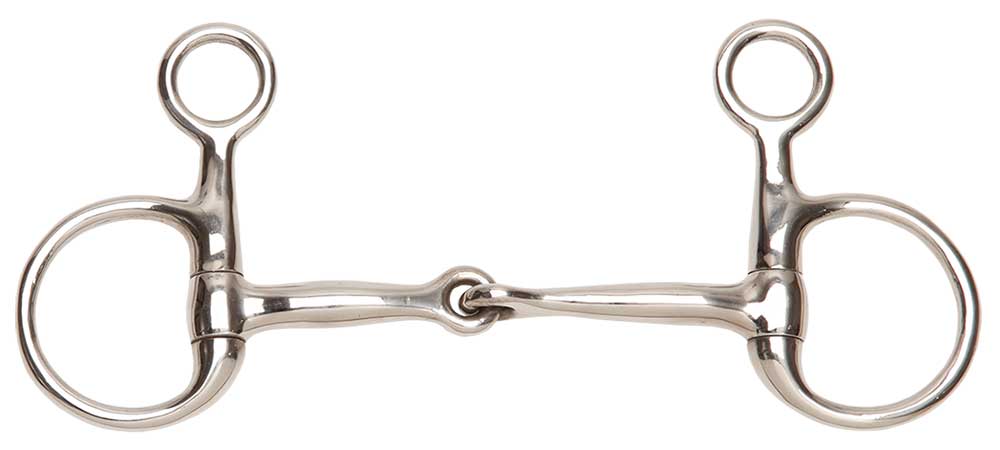
Hanging Cheek (Baucher)

Suspends the mouthpiece slightly within the mouth and offers a very stable feel. Popular with many dressage riders.

Premium Horse Bit Brands

At Ascot Saddlery we stock horse bits from many of the world's leading manufacturers, allowing riders to compare different mouthpiece designs, materials and actions.

Myler Bits

Myler bits feature anatomically designed mouthpieces developed to encourage relaxation, clearer communication and greater tongue freedom. Their extensive range offers solutions for horses at every stage of training.

Trust Equestrian Bits

Handcrafted in the Netherlands, Trust bits are renowned for their Sweet Iron mouthpieces and innovative designs that suit a wide range of horses and disciplines.

Sprenger Bits

German-engineered Sprenger bits are recognised worldwide for their premium craftsmanship and advanced metal alloys, including Sensogan. They are trusted by riders from Pony Club through to Olympic competition.

Bomber Bits

Designed in South Africa, Bomber bits focus on ergonomic mouthpiece designs that promote comfort, tongue relief and clear communication for performance horses.

Eurohunter Bits

Eurohunter offers reliable, well-made bits that provide excellent value across a broad range of mouthpiece styles and cheek designs, making them ideal for everyday riding and Pony Club.

How to Choose a Bit

Choosing the right bit starts with understanding both your horse and your riding goals.

Ask yourself:

  • What does your horse currently go well in?
  • What behaviour or issue are you trying to improve?
  • What discipline do you ride?
  • What bits are permitted under your discipline's rules?
  • What is your horse's mouth conformation?

Every horse responds differently, so there is rarely one perfect bit for every situation.

If you're unsure where to start, our experienced team can help assess your horse's current setup and recommend several suitable options based on your riding goals, discipline and your horse's way of going.

Choosing the Correct Bit Size

Bits are sized according to the width of the mouthpiece, usually measured in inches or millimetres.

The correct size allows the bit to sit comfortably within the horse's mouth without pinching the lips or extending excessively beyond the corners of the mouth. The ideal fit varies depending on the bit design and the horse's individual mouth conformation.

If you're unsure which size is right for your horse, our experienced team can help you choose the correct width before you order.

Can changing the bit solve training problems?

Not always. While the right bit can improve communication and comfort, many issues such as resistance, head tossing or pulling may also be influenced by saddle fit, dental health, rider technique, training or physical discomfort. Choosing the correct bit should always be considered as part of the overall picture, and our experienced team can help you work through the available options.

Why Trust Ascot Saddlery for Horse Bits?

At Ascot Saddlery, we've been helping Australian riders choose the right horse bits since 1977. Nearly 50 years of practical experience means we understand that every horse's mouth, training level and way of going is different.

Our achievements include:

  • Saddleworld Store of the Year – 2007 and 2010.
  • PDS, Pessoa & Trainers Dealer of the Year – 2024 (Inaugural Award) and 2025.

We stock one of Australia's most comprehensive ranges of horse bits from leading manufacturers including Myler, Bomber, Trust, Sprenger and Eurohunter, allowing us to recommend the bit that best suits your horse rather than simply the one we happen to have available.

If you're unsure where to begin, send us a photograph of your current bit, tell us a little about your horse and describe the behaviour you're experiencing. We'll recommend several options worth considering.

Buying Horse Bits Online

Buying a horse bit online is easy when you have experienced advice before you order.

When you purchase from Ascot Saddlery you'll enjoy:

  • Free Australia-wide shipping on eligible orders.
  • Detailed product descriptions, specifications and photography.
  • Advice from our experienced equestrian team before you buy.
  • Returns and exchanges in accordance with our published policy.

You can also complete your tack setup with our extensive range of bridles, reins, nosebands, browbands, breastplates, martingales and leather care products.

Still need help?

Whether you're new to horses or know exactly what you're looking for, our experienced team is here to help with honest, practical advice.

Ask Our Team

Discover more in our FAQs

What size bit does my horse need?

Bits are sized by the width of the mouthpiece, usually measured in inches or millimetres. The correct size allows the bit to sit comfortably without pinching the lips or extending excessively beyond the corners of the mouth.

Because different bit designs fit differently, there is no single size that suits every horse. If you're unsure, measure your existing bit or contact our experienced team for advice before ordering.

What is the difference between a single-jointed and a double-jointed bit?

A single-jointed bit has one joint in the centre of the mouthpiece and acts on the tongue, bars and corners of the mouth. Depending on rein pressure and the horse's conformation, it may produce the familiar nutcracker effect.

A double-jointed bit, such as a French Link or Lozenge design, generally distributes pressure more evenly across the tongue and often reduces the nutcracker effect associated with many single-jointed bits.

Many horses prefer one design over the other, so the best choice depends on the individual horse.

Which bit is best for a strong horse?

There is no single bit that suits every strong horse.

Pulling or resistance can be influenced by training, rider technique, saddle fit, dental health, discomfort or the horse's way of going. While a different bit may help in some situations, it should be considered alongside these other factors.

If your horse genuinely requires additional control, our experienced team can recommend suitable options based on your discipline, riding style and the behaviour you're experiencing.

What is a Hanging Cheek (Baucher) bit?

A Hanging Cheek, or Baucher, is a snaffle bit suspended from a small upper ring, creating a very stable feel in the horse's mouth.

Many riders appreciate the consistent contact it provides, particularly for horses that prefer a quieter bit. It is a popular choice for dressage and is permitted under the current dressage rules where allowed.

Is Sweet Iron better than stainless steel?

Neither material is universally better—it depends on the individual horse.

Sweet Iron naturally oxidises, and many horses appear to enjoy the taste, which may encourage salivation and acceptance of the bit.

Stainless steel is durable, easy to clean and remains the most widely used material for everyday riding.

Our team can help you decide which material may best suit your horse.

Can I use the same bit for dressage and jumping?

Many horses happily perform both flatwork and jumping in the same snaffle bit.

Some riders choose a different bit for jumping or cross-country if additional control is required. Always ensure any bit you use complies with the rules of your chosen discipline, as dressage regulations are generally more restrictive than those for jumping or eventing.

What is the difference between a Pelham and a Weymouth?

A Pelham combines snaffle and curb actions within a single bit and is typically ridden with two reins, although roundings may be used in some situations.

A Weymouth is the curb component of a double bridle and is always used together with a separate bridoon (snaffle) and two pairs of reins. It is commonly used in higher-level dressage and some showing disciplines.

How long does a horse bit last?

A quality bit can provide many years of reliable service when properly cared for.

Inspect your bit regularly for excessive wear, rough edges, loose joints or damaged coatings, and replace it if you notice any signs that could affect your horse's comfort or safety.

Do you stock Western and stock bits?

Yes. We stock a wide range of English, Western and stock horse bits to suit a variety of disciplines and riding styles.

Our range includes trusted brands such as Myler, Bomber, Trust, Sprenger, Eurohunter and selected stock horse options. If you're looking for a specific style or mouthpiece, our team will be happy to help.

Should I use a curb chain with a Pelham?

Yes. A Pelham is designed to be used with a correctly fitted curb chain, which helps the bit function as intended.

The curb chain should lie flat within the chin groove and be adjusted according to the manufacturer's recommendations. Correct adjustment is important for both comfort and effective communication.

If you're unsure how to fit or adjust a curb chain, our experienced team can guide you through the process.

Can changing my horse's bit improve performance?

Changing to a different bit can improve comfort and communication for some horses, but it is not always the solution. Saddle fit, dental health, rider technique, training and physical comfort all influence how a horse accepts the contact.

If you're experiencing problems, our experienced team can help you assess your current setup and recommend suitable options based on your horse, discipline and riding goals.